Welcome to the

Zevik Melamed LabMolecular and Translational Neuroscience

Institution Hebrew University
of Jerusalem
Our Mission

Decoding the molecular basis of neurodegeneration and neuronal resilience.
And reversing it.

NEURODEGENERATION
Discover

How RNA metabolism changes during aging and neurodegeneration.

Neurons are remarkably resilient - maintaining their architecture and function for decades. Yet during aging, something shifts. Molecular changes accumulate quietly, reshaping how neurons process RNA, maintain their axons, and respond to stress - long before overt degeneration occurs.

We investigate these early molecular events, asking how age-dependent disruption of RNA processing drives the onset of ALS, FTD, and Alzheimer's disease.

Understand

How these changes impair axonal maintenance and neuronal regeneration.

At the heart of our research is a fundamental question: how do molecular changes in the nucleus translate into dysfunction at the axon - a structure that can extend over a meter from the cell body and is uniquely dependent on local RNA metabolism.

Key questions we ask: What is the global impact of dysregulated RNA-binding proteins on neuronal function? How does aberrant RNA processing contribute to toxicity in the central nervous system (CNS)? What determines whether a neuron survives or degenerates?

Restore

We develop RNA-targeting therapies to restore neuronal resilience.

From mechanistic insights to therapeutic impact. Using antisense oligonucleotides (ASOs) and CRISPR-based RNA effectors, we aim to correct aberrant splicing, restore lost transcripts, and silence toxic RNA species in patient-derived neurons and in vivo models.

The goal: disease-modifying therapies for ALS, FTD, and related neurodegenerative diseases.

Driving Questions

The mysteries that
motivate us

01
Why do motor and cortical neurons degenerate when RNA processing goes wrong? What makes these neurons uniquely vulnerable while others remain resilient?
02
Why does aging flip a switch? What regulatory changes push neurons beyond a tipping point, transforming adaptive perturbations into degeneration?
03
Can degeneration be reversed? What determines whether a vulnerable neuron can recover or is committed to degeneration?

The people behind
the science
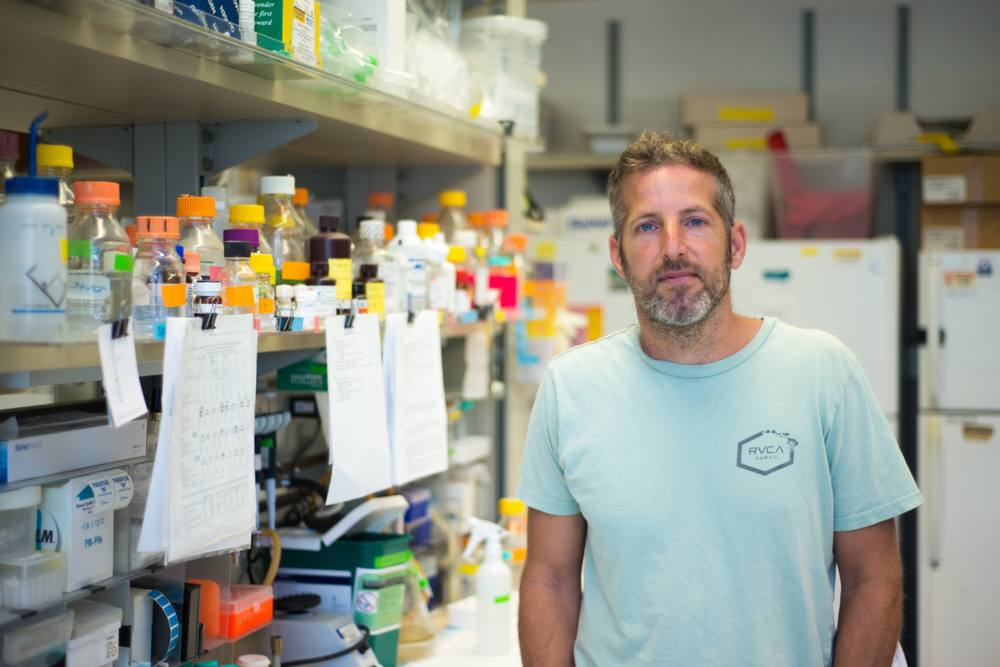
Ze'ev Melamed
Click to hide photo
Principal Investigator Zevik Melamed, PhD Trained as an RNA biologist, driven by the question of why neurons degenerate in the course of aging - and how to fix it. Brings translational tools to fundamental biology. Outside the lab: camping and surfing.
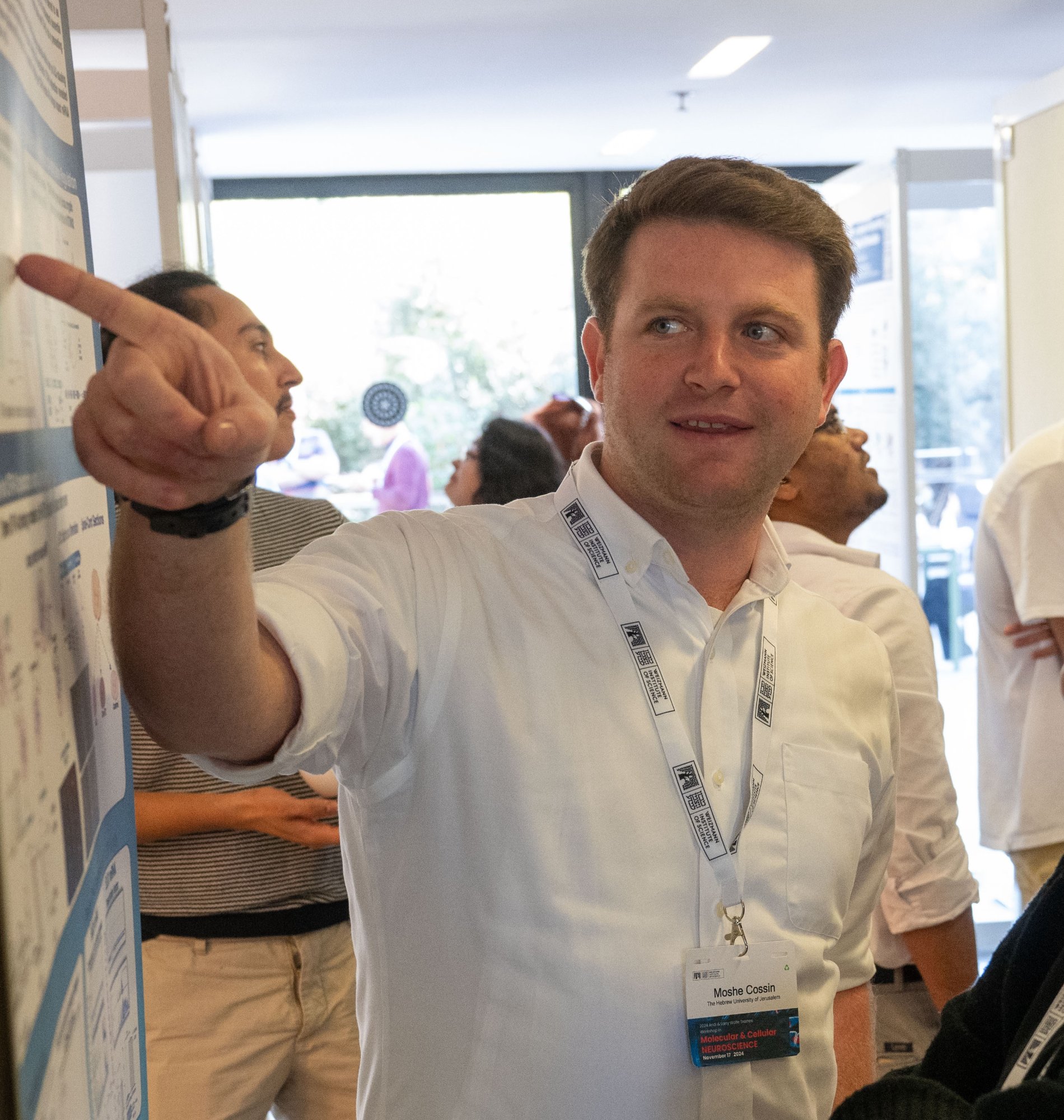
Moshe Cossin
MD-PhD Student Moshe Cossin ALS motor neuron degeneration, RNA splicing dynamics
Amit
PhD Student Amit Porecki Neuronal RNA transport, FUS pathology in motor neurons

Tamar
MSc Student Tamar Aminov iPSC neuronal models, TDP-43 biology
mRNA - SPLICING - TRANSPORT Adva
MSc Student Adva Frankfurter RNA-binding proteins in aging neurons
Zvi
MSc Student Zvi Hershkop CRISPR-based RNA editing approaches in ALS
MSc Student Rina Single-cell transcriptomics of cortical neurons
Reut
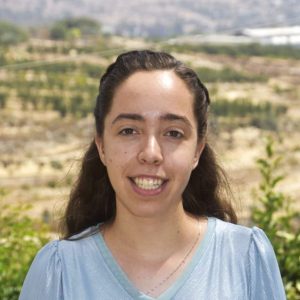
MSc Student Reut Puni Axonal RNA transport and local translation
mRNA - SPLICING - TRANSPORT Noi
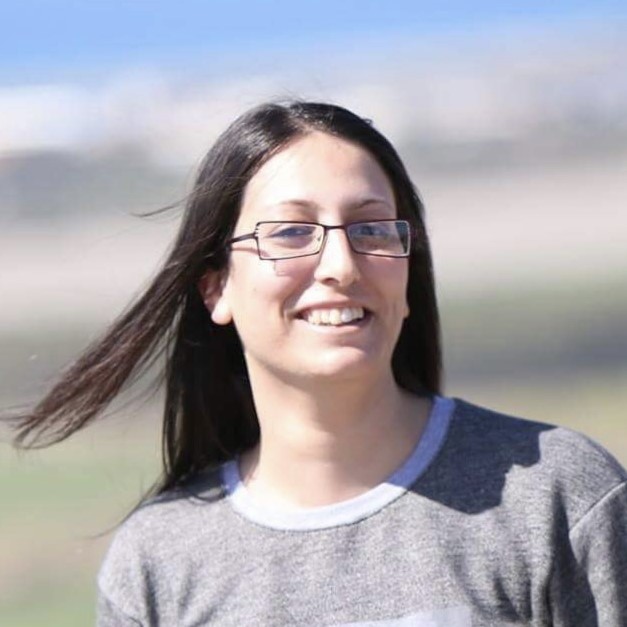
MSc Student Noi Keren FUS pathology and stress granule dynamics
Sana
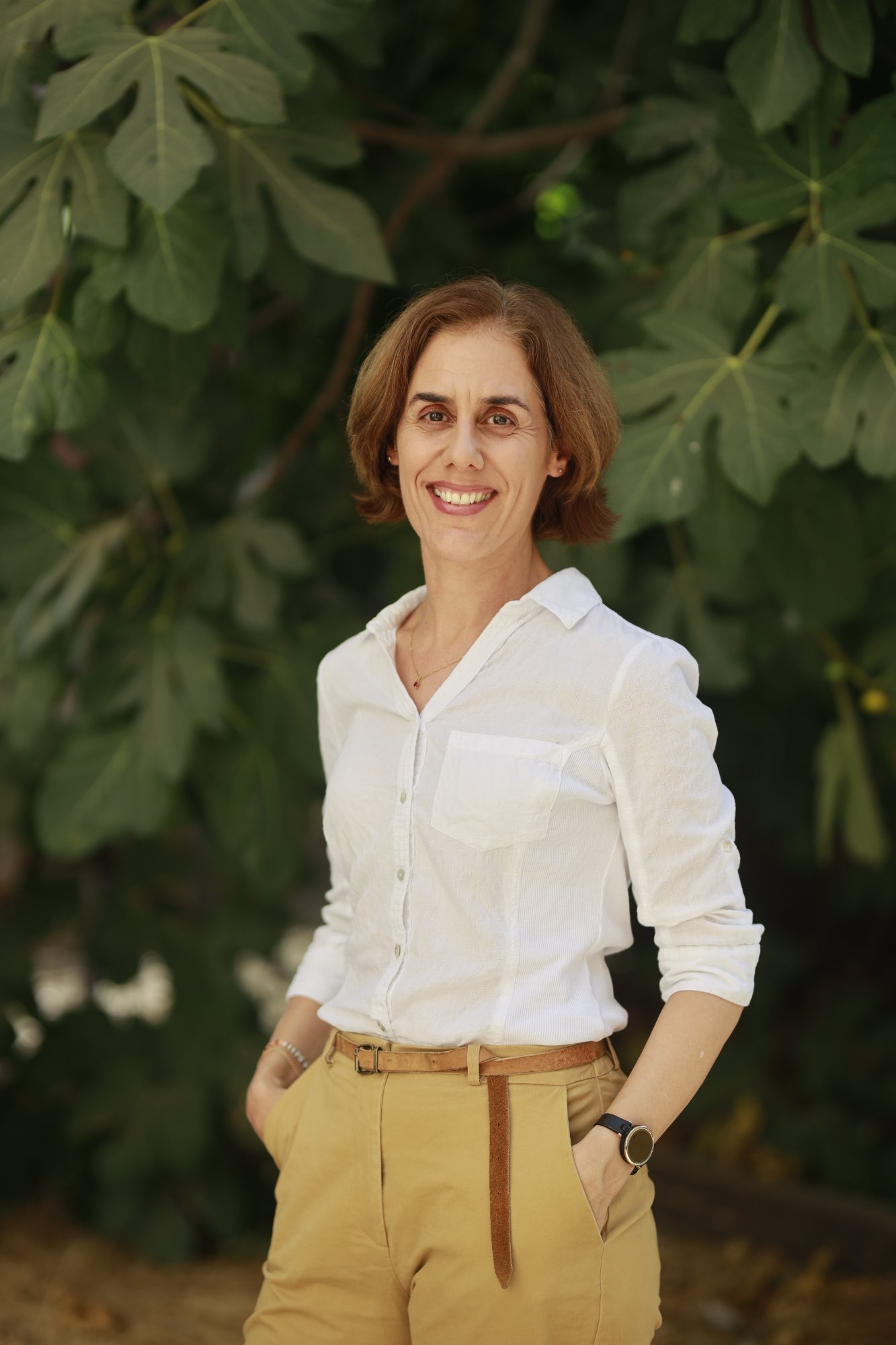
Lab Manager Sana Hidmi Lab operations, iPSC culture, molecular biology protocols
Adi
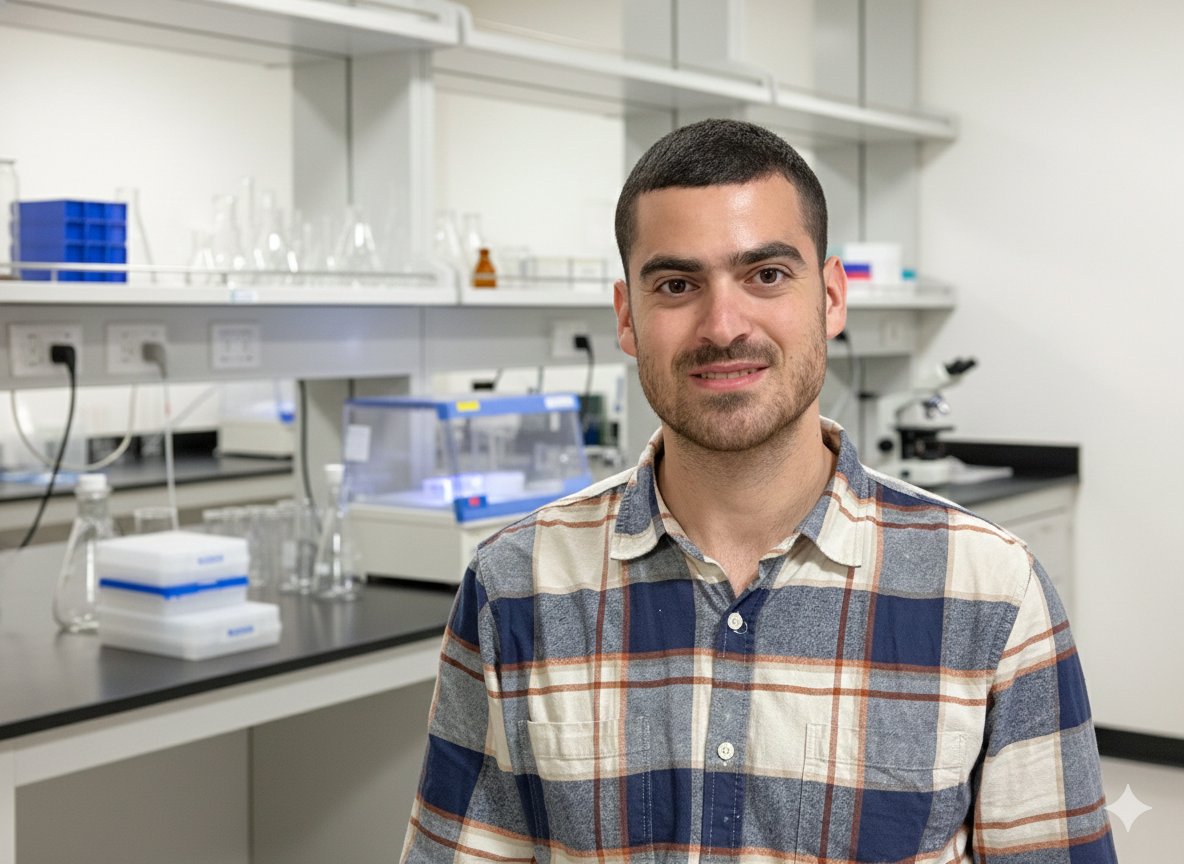
Research Associate Adi Alajem Biochemistry, protein analysis, animal models
Meir Alper
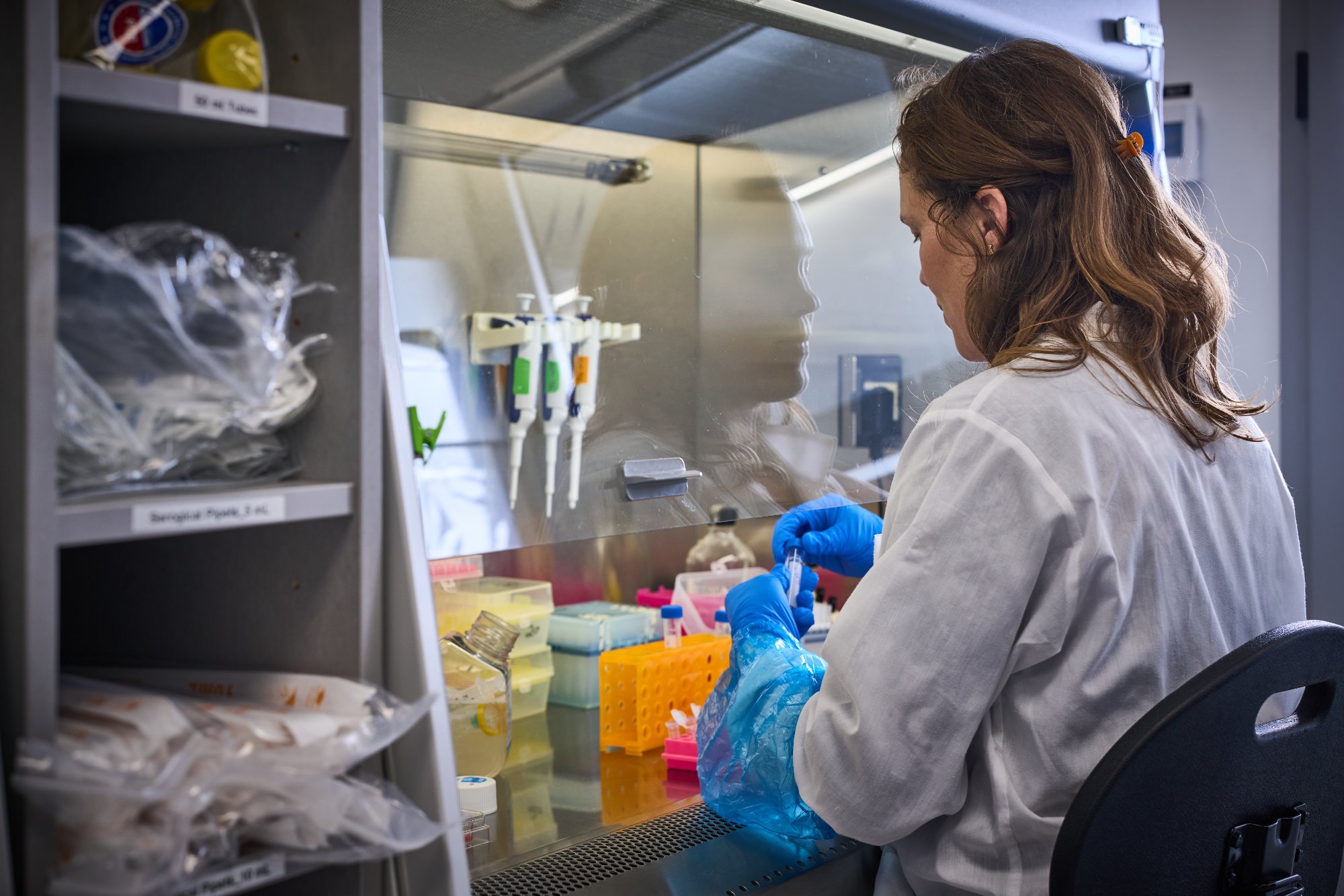
BSc Trainee Meir Alper Motor neuron biology, hands-on lab training
We're hiring Join the Lab Open positions for postdocs & PhD students. See Contact.
Lab Vibe

The lab,
in the wild

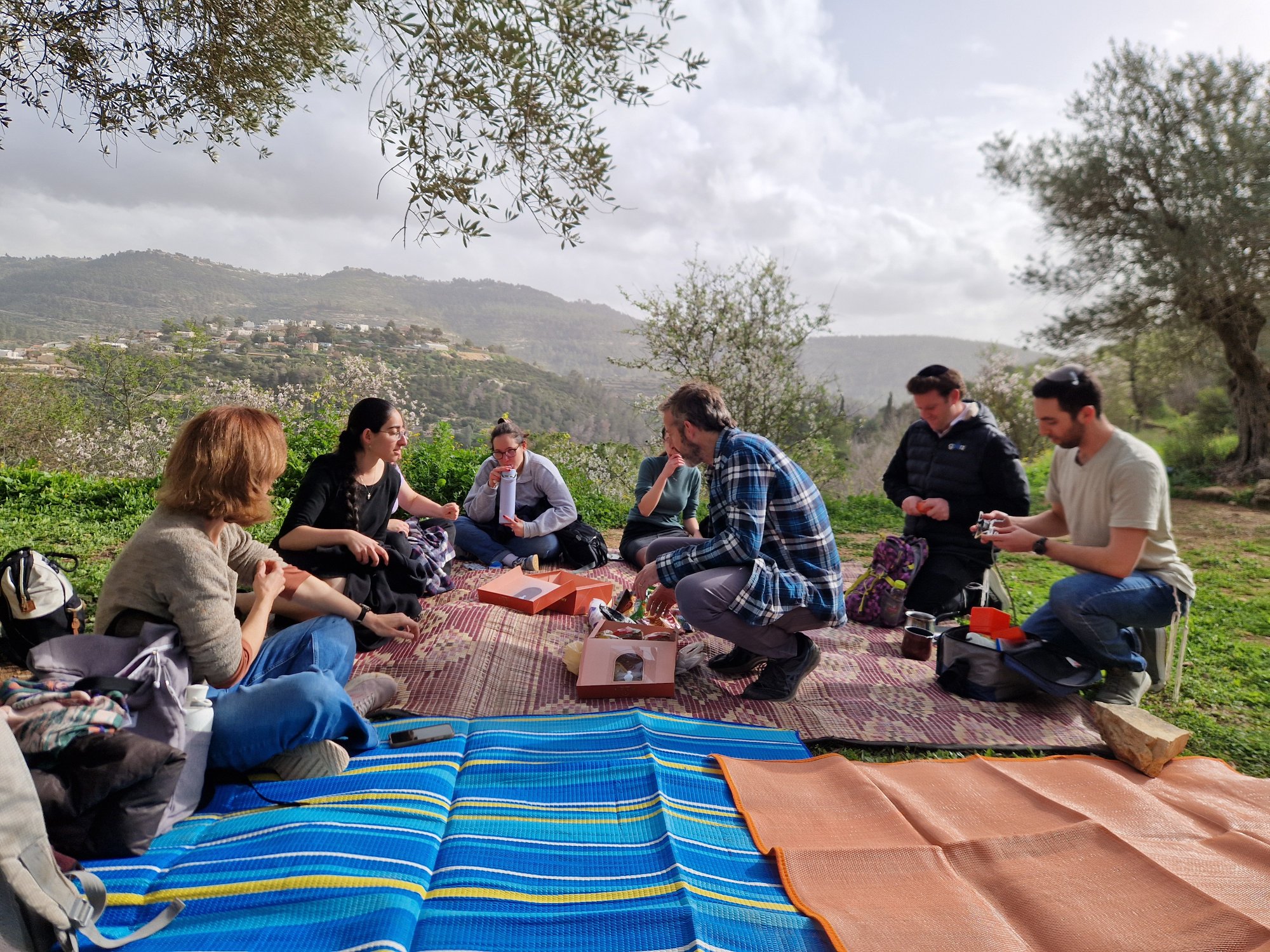
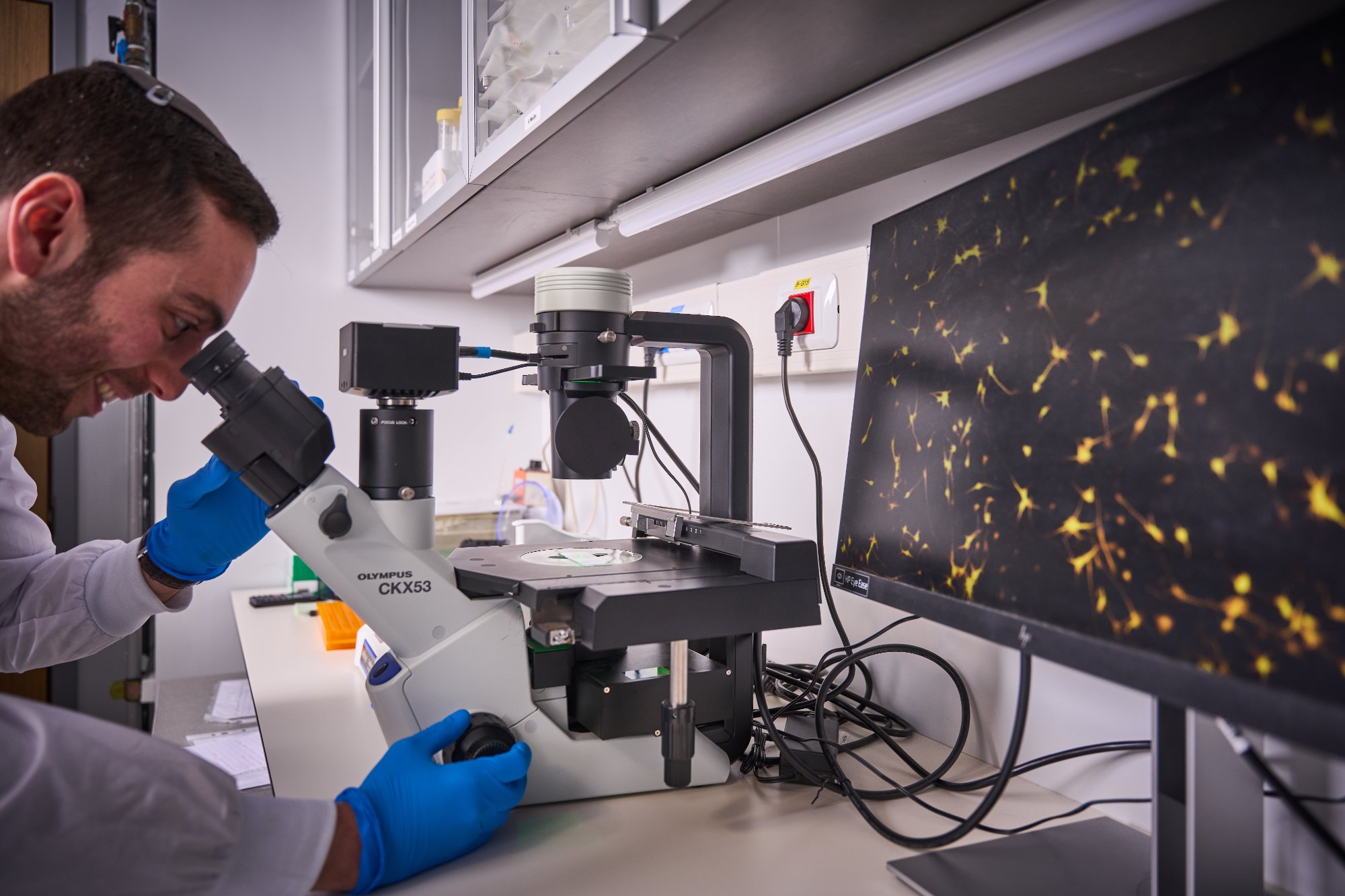
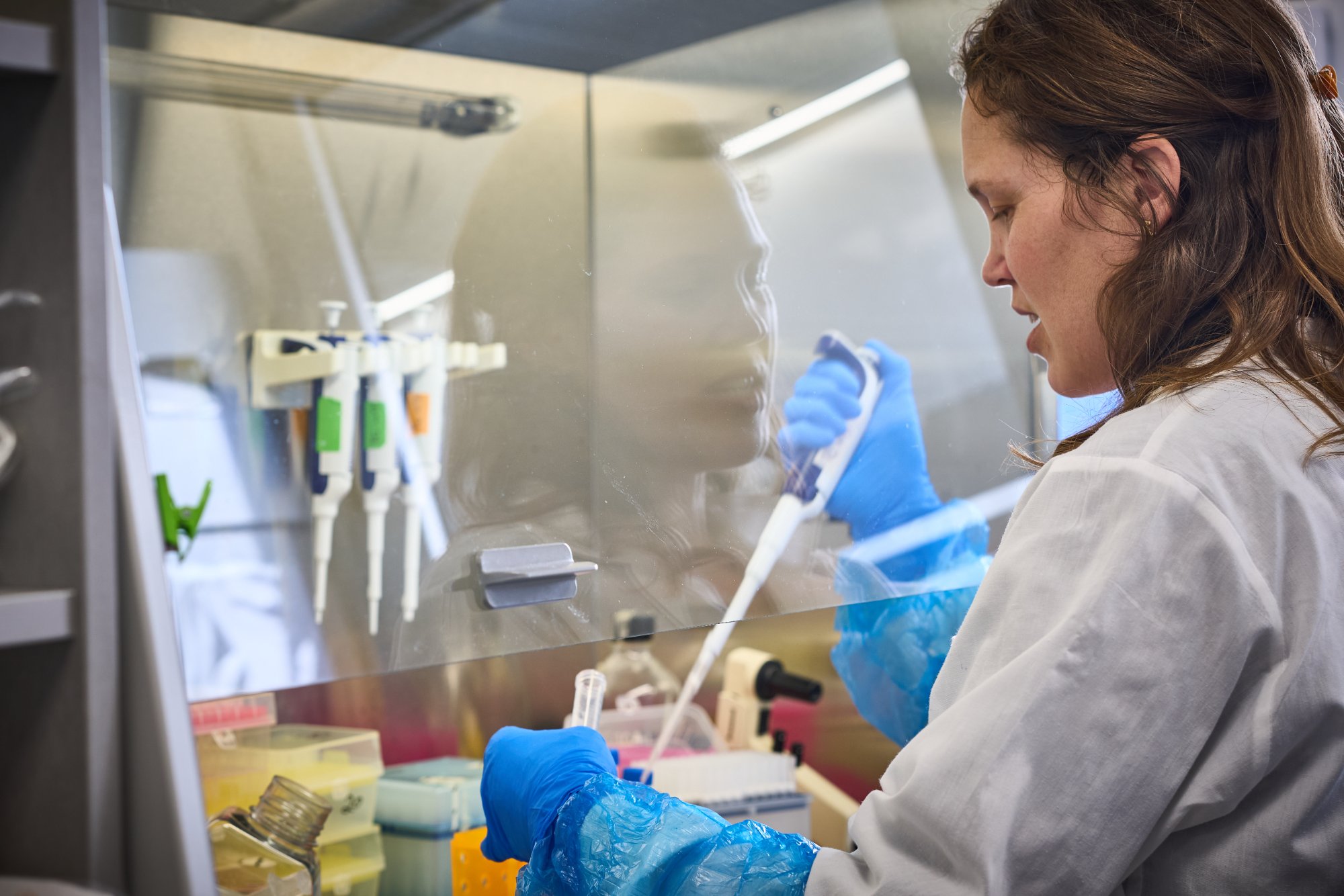
Melamed Lab members at work
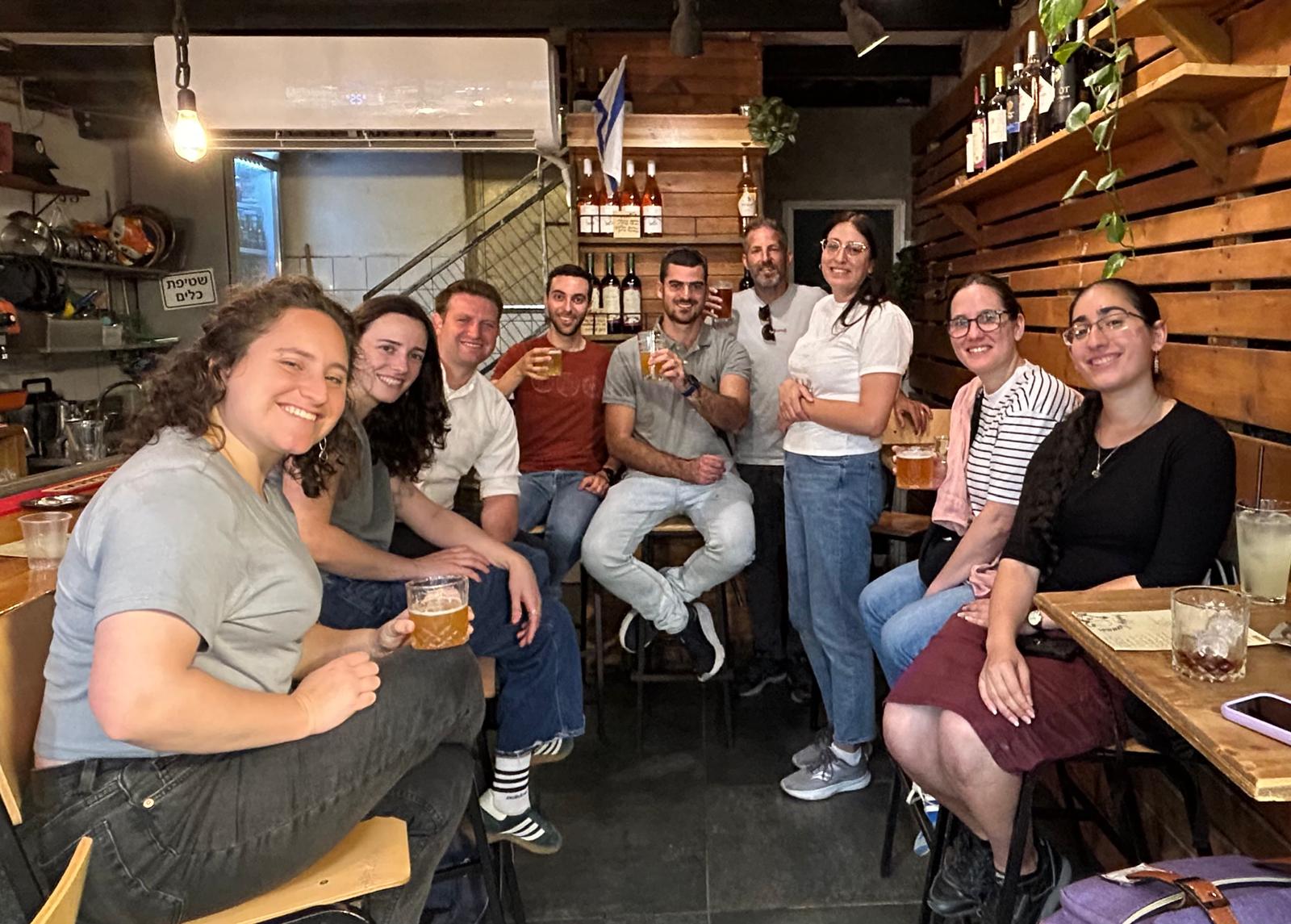
Lab team gathering
Melamed Lab group photo
Lab activity and collaboration
mRNA - splicing - transport - translation

The disorders
we target

ALS
Motor
ALS
Amyotrophic Lateral Sclerosis

Fatal motor neuron disease causing progressive loss of upper and lower motor neurons. TDP-43 pathology in 97% of cases. No cure, and median survival after diagnosis is just 2–5 years. We model ALS using patient-derived iPSC motor neurons and 3D Neuromuscular organoids to study disease mechanisms at cellular resolution.

FTD
Cognition
FTD
Frontotemporal Dementia

The second most common dementia under 65, causing personality change, language loss, and behavioral dysregulation. Shares deep molecular signatures with ALS, driven by C9orf72 repeat expansions and TDP-43 pathology. We use iPSC cortical neurons to decode ALS-FTD pathogenesis at mechanistic depth.

Also in our scope
AD
Alzheimer's Disease

Aging-driven RNA dysregulation primes neurons for Alzheimer's pathology - a dimension we are beginning to explore.

Disruption of RNA metabolism converges across multiple devastating neurodegenerative disorders.

Selected
publications

2026
Nuclear import of malaria RNA rewires splicing in host immune cells
Abou Karam P, … Cossin M, … Melamed Z, Regev-Rudzki N.
Cell Reports · Feb 24, 2026 · doi: 10.1016/j.celrep.2026.116953
Cell Rep
2023
Mechanism of STMN2 cryptic splice-polyadenylation and its correction for TDP-43 proteinopathies
Baughn MW, Melamed Z, López-Erauskin J, et al., Lagier-Tourenne C, Cleveland DW.
Science · Mar 17, 2023 · doi: 10.1126/science.abq5622
Science
2019
Premature polyadenylation-mediated loss of stathmin-2 is a hallmark of TDP-43-dependent neurodegeneration
Melamed Z, López-Erauskin J, Baughn MW, et al., Lagier-Tourenne C, Cleveland DW.
Nature Neuroscience · Feb 2019 · doi: 10.1038/s41593-018-0293-z
Nat Neurosci
View on PubMed →
Technologies

Innovative tools
for complex
questions

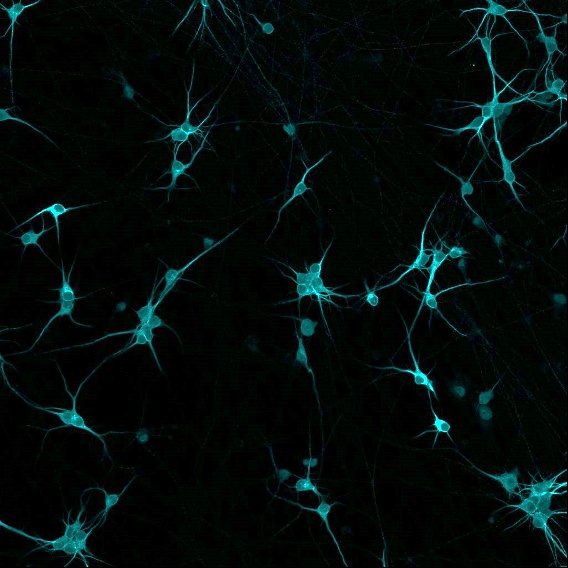
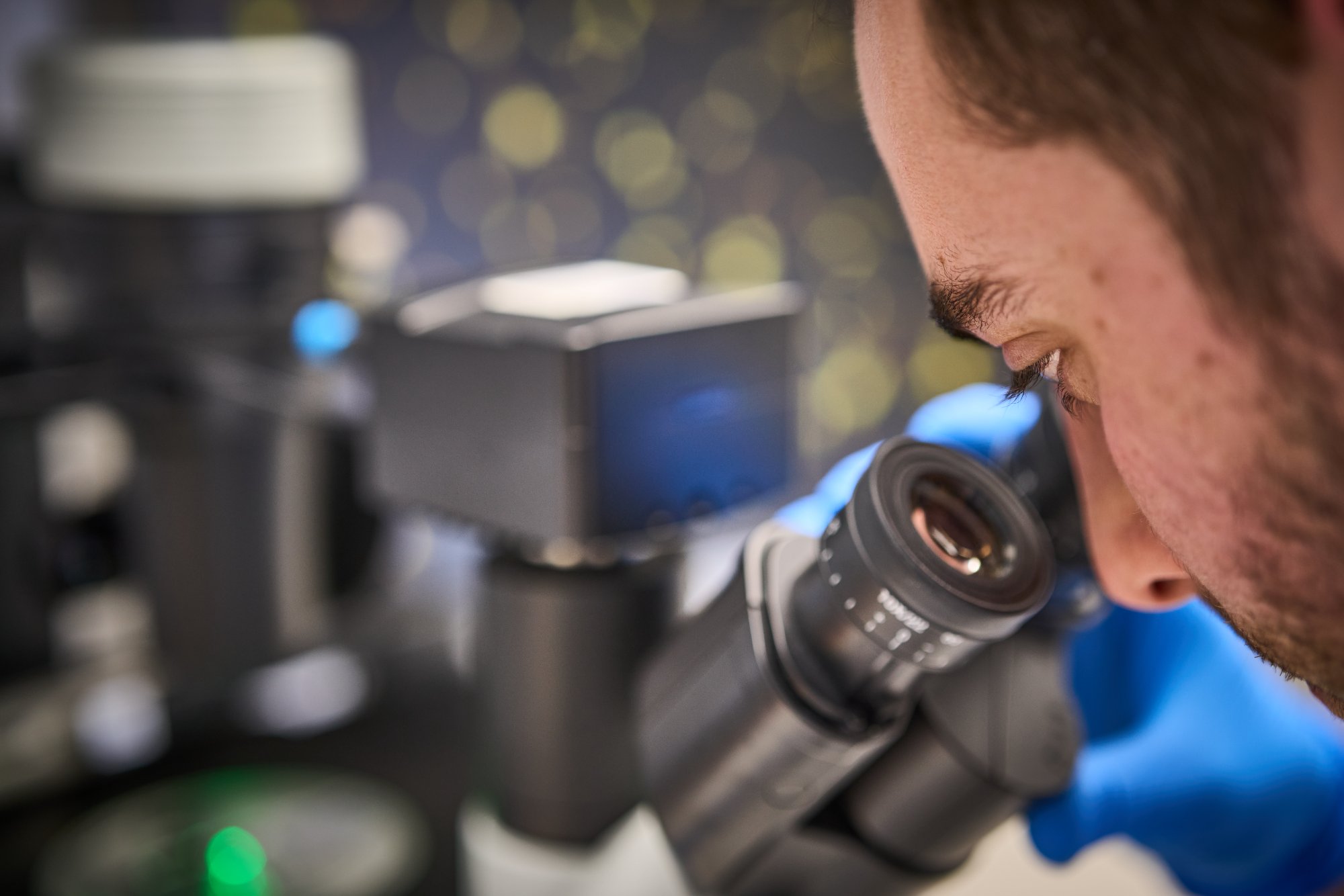
Neurons under microscope
GFP · 40× · neuronal culture
01
iPSC Modeling
Patient fibroblasts converted to iPSC-derived motor and cortical neurons - modeling disease in a dish with patient-specific genetic backgrounds.
02
High-Throughput Sequencing
We use bulk and single-cell RNA-seq, and ribosome profiling to map the global impact of RBP dysregulation at transcriptomic scale.
03
CRISPR Gene Editing
Precision genome engineering for isogenic disease models and RNA-specific CRISPR effectors for therapeutic development.
04
Antisense Oligonucleotides
Development and testing of ASO therapeutics to correct splicing defects and reduce toxic protein levels in patient-derived neurons.
05
Human Tissue Analysis
Validation in post-mortem brain and spinal cord tissue from ALS, FTD, and AD patients in collaboration with international tissue biobanks.
Contact

Join us or
collaborate

We welcome talented and motivated scientists, clinicians, and industry partners interested in understanding and treating neurodegenerative diseases. Whether you are seeking a research position or exploring collaboration opportunities, we would love to hear from you.

📍
Faculty of Medicine, Hebrew University of Jerusalem, Ein Kerem
Medical Neurobiology Department · Building 3, 5th Floor, Room 3504
Lab Vibe

The lab, in the wild

n